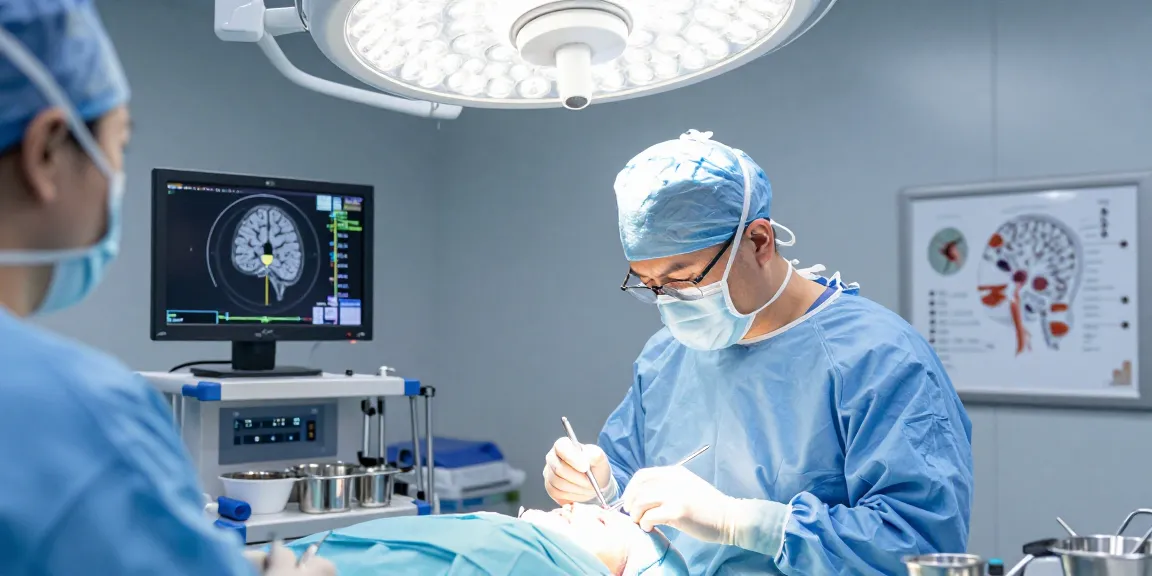
Understanding Beyin Tümörü Ameliyatı
Beyin tümörü ameliyatı, hem iyi huylu hem de kötü huylu tümörlerin tedavisinde en etkili ve yaygın yöntemlerden biridir. Bu cerrahi müdahale, hastanın genel sağlığı ve tümörün özellikleri göz önünde bulundurularak, titiz bir planlama ve değerlendirme sürecinin ardından gerçekleştirilir. Gelişen teknoloji ile birlikte, minimal invaziv teknikler ve güncel görüntüleme yöntemleri sayesinde, beyin tümörü ameliyatı süreçleri daha güvenilir ve etkili hale gelmiştir. Bu yazıda, beyin tümörü ameliyatının temel aşamaları, riskleri ve post-operatif bakımı hakkında kapsamlı bilgiler sunulacaktır.
What is Brain Tumor Surgery?
Brain tumor surgery refers to the surgical procedures performed to remove brain tumors. These tumors can originate from different cells in the brain or may spread from other parts of the body (metastatic tumors). Depending on their type, location, and size, the surgical approach may vary significantly. The primary goal of brain tumor surgery is to remove the tumor entirely while preserving the surrounding healthy tissues and brain functions.
Types of Brain Tumors Treated
Brain tumors are broadly classified into two categories: benign and malignant. Benign tumors, like meningiomas, typically grow slowly and do not spread to nearby tissues, whereas malignant tumors, such as glioblastomas, are aggressive and can infiltrate surrounding brain tissue. Additionally, metastatic brain tumors are secondary tumors that occur when cancer cells spread to the brain from other body parts, such as the lungs or breasts.
Importance of Accurate Diagnosis
Accurate diagnosis is critical in determining the appropriate treatment and surgical approach for brain tumors. Advanced imaging techniques such as MRI and CT scans allow for precise localization and characterization of the tumor. Furthermore, obtaining a biopsy can provide essential histological information, guiding treatment decisions and potential prognoses.
Preparation for Beyin Tümörü Ameliyatı
Effective preparation is essential for successful brain tumor surgery. This includes thorough pre-operative assessment, understanding patient-specific risks, and setting realistic expectations before surgery. Proper preparation can significantly improve outcomes and reduce complications.
Pre-operative Assessment and Testing
Before surgery, patients undergo a comprehensive assessment comprising neurological examinations and imaging studies. Blood tests and other relevant diagnostics are also performed to evaluate the patient’s overall health and readiness for anesthesia. This thorough pre-operative planning helps identify potential risks and complications specific to the patient's condition.
Patient Risks and Considerations
Each patient's case is unique, and various factors such as age, overall health, and the tumor's characteristics can influence risk assessments. Discussing these potential risks with the surgical team can help patients make informed decisions regarding their treatment options.
Setting Expectations Before Surgery
Patients should have a clear understanding of the surgery process and what to expect in terms of recovery, potential side effects, and follow-up care. Open communication with healthcare providers about any concerns or queries fosters trust and eases anxiety related to the procedure.
The Surgical Process of Beyin Tümörü Ameliyatı
The surgical process for brain tumor removal is complex and requires the collaboration of a highly skilled surgical team. Typically, the surgery commences with a craniotomy, where a section of the skull is removed to access the tumor. Following this, the tumor is carefully excised using advanced surgical techniques.
Step-by-step Procedure Overview
1. Anesthesia and Positioning: The patient is placed under general anesthesia, and careful positioning is performed to optimize access to the surgical site while minimizing risks.
2. Craniotomy: A section of the skull is removed to gain access to the brain. This step requires ample pre-operative imaging to guide the surgeon.
3. Tumor Removal: Utilizing advanced tools and techniques, the surgeon carefully excises the tumor, ensuring minimal damage to surrounding brain structures.
4. Closure: Once the tumor is removed, the surgical site is carefully closed, and the skull section is replaced. The skin is sutured, and the patient is transferred to recovery for monitoring.
Advanced Techniques Used in Surgery
Advancements in technology have significantly improved brain tumor surgeries. Techniques such as neuronavigation, intraoperative MRI, and awake craniotomy enable surgeons to operate with greater precision. These technologies help in identifying critical brain areas, thus preserving neurological function post-surgery.
Post-operative Monitoring and Care
After surgery, patients are typically monitored in an intensive care unit (ICU) for the first few days. Regular neurological assessments, imaging studies, and vital sign monitoring ensure any complications are promptly addressed. Pain management and hydration are also critical during this recovery phase.
Risks and Complications of Beyin Tümörü Ameliyatı
Like any major surgery, brain tumor procedures come with inherent risks and potential complications. It's crucial for patients to be aware of these possibilities to make informed decisions and prepare accordingly.
Potential Surgical Risks
Some of the risks associated with brain tumor surgery include infection, bleeding, and anesthesia-related complications. Additionally, patients may experience neurological deficits depending on the tumor's location and the extent of resection performed.
Managing Complications After Surgery
Effective management of complications is critical for recovery. Patients may need additional treatments such as physical therapy, medication for seizures, or rehabilitation services to support recovery. Comprehensive follow-up care plays a vital role in mitigating long-term effects.
Long-term Health Considerations
Post-operative evaluations generally include regular MRIs to monitor for tumor recurrence and assess recovery. Long-term follow-up is essential for identifying and managing potential complications or recurrence, thereby improving the patient's overall quality of life.
Follow-up and Recovery After Beyin Tümörü Ameliyatı
Recovery from brain tumor surgery can vary significantly among patients. Factors such as the type of tumor, extent of surgery, and individual health status influence the recovery timeline and process.
Rehabilitation Strategies
After discharge, most patients benefit from tailored rehabilitation programs. These can include physical therapy, occupational therapy, and speech therapy to address any deficits resulting from the surgery. The goal is to help patients regain independence and improve their quality of life.
Importance of Regular MRIs
Continual monitoring through regular MRI scans is crucial in the post-operative phase. These scans help detect any tumor recurrence early, enabling timely intervention that may be necessary for better outcomes.
Emotional and Psychological Support
Emotional and psychological support is fundamental during recovery. Patients may experience a wide range of emotions, including anxiety and depression, after a brain tumor diagnosis and surgery. Support groups, counseling, and therapy can be beneficial in addressing these concerns.
What is the expected recovery time?
Recovery times can vary widely based on surgical complexity and patient health. While some patients may return to normal activities within weeks, others may require months of rehabilitation to regain full functionality.
How to identify warning signs during recovery?
Patients should be vigilant regarding changes in their condition post-surgery. Signs such as sudden headaches, visual disturbances, seizures, or changes in mood should prompt immediate consultation with a healthcare provider.
Are there lifestyle changes post-surgery?
Post-surgical lifestyle changes may be necessary to support recovery. For more information, beyin tümörü ameliyatı offers valuable insights. Diet, exercise, and routine follow-up appointments with healthcare providers play a significant role in ensuring a smooth recovery. Engaging in light physical activity and maintaining a balanced diet can facilitate healing and overall well-being.