Understanding AI Text Generation for Polish
Artificial intelligence is revolutionizing the way we generate and refine text, particularly in diverse languages such as Polish. For businesses, educators, and language learners alike, the ability to generate Polish text with AI provides a significant advantage. From automating writing tasks to enhancing language proficiency, AI tools are becoming increasingly sophisticated, enabling users to create high-quality content efficiently. This article delves into the nuances of AI text generation, its importance in Polish language processing, and how to effectively leverage these tools to enhance text quality.
What is AI Text Generation?
AI text generation refers to the use of artificial intelligence algorithms to produce human-like text based on specific inputs. This technology employs natural language processing (NLP) to analyze large datasets, learning patterns in language usage, style, and context. By leveraging these insights, AI can create text that is coherent, contextually relevant, and often indistinguishable from text written by humans. Applications range from content creation and translation to interactive chatbot responses, making AI a versatile tool in various fields.
Importance of Language Processing in Polish
Polish is a complex Slavic language with distinct grammar, vocabulary, and phonetic structures. Effective language processing is crucial for generating accurate and contextually appropriate content. AI-driven tools that understand the nuances of Polish can significantly enhance communication, breaking down language barriers and facilitating smoother exchanges in both personal and professional contexts. The ability to generate text that respects these linguistic intricacies is essential for any effective AI application in the Polish language domain.
Key Features of Effective AI Tools
- Natural Language Understanding: The best AI tools have a deep understanding of syntax and semantics, enabling them to produce grammatically correct and contextually appropriate text.
- Adaptability: Effective AI text generation tools can adapt to different writing styles and tones, allowing users to choose the desired voice for their content.
- User-friendly Interface: A simple and intuitive interface ensures that users, regardless of their technical expertise, can easily generate high-quality Polish text.
- Continuous Learning: Top-tier AI tools continually learn from user interactions and feedback, refining their algorithms to enhance performance over time.
Preparing to Generate Polish Text
Essential Tools and Software
When generating Polish text with AI, it is essential to choose the right tools that can facilitate smooth and productive work. Various software options exist that can enhance your writing capabilities. Popular choices include advanced AI writing assistants, language learning applications, and collaborative writing platforms. Each tool offers unique features, so it’s crucial to evaluate them based on your specific linguistic needs and objectives.
Optimizing Your Work Environment
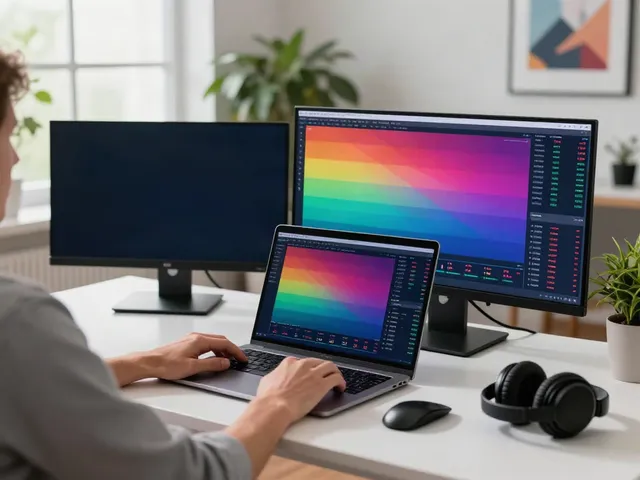
A conducive work environment can significantly impact your efficiency and creativity. Setting up a quiet, organized workspace free from distractions allows for better focus. Additionally, utilizing ergonomic tools can enhance comfort during longer writing sessions, contributing to overall productivity. Make sure to have all necessary resources, including dictionaries, style guides, and translation tools, at your fingertips to streamline the generation process.
Setting Clear Language Goals
Before diving into text generation, it’s important to set clear, achievable language goals. Whether you aim to improve your conversational skills, write academically, or generate marketing content in Polish, defining these objectives can guide your use of AI tools. Establishing specific benchmarks for success, such as mastering particular vocabulary sets or achieving fluency in different writing styles, will help track your progress effectively.
Techniques for Generating High-Quality Polish Text
Best Practices for Inputting Text
To maximize the effectiveness of AI text generation, it is crucial to approach inputting text strategically. Start with clear, concise prompts that specify your desired output. For example, instead of simply asking for a description, specify the tone, style, and any particular points you want to be included. This clarity will guide the AI in producing responses that align closely with your needs.
Leveraging AI to Enhance Polish Language Skills
AI tools can play a pivotal role in language learning by offering tailored exercises and feedback. For instance, using AI to generate practice sentences can help learners understand proper syntax and vocabulary in context. Furthermore, interactive AI-driven applications can simulate real-life conversations, providing learners with a practical platform to apply their skills and gain confidence in using Polish.
Common Mistakes to Avoid in Text Generation
Even with advanced AI tools, users often make mistakes that can affect the quality of generated text. One common issue is providing overly vague prompts, which can lead to generic responses. Another mistake is failing to review and edit the AI-generated content, as automated outputs can sometimes miss nuanced meanings or context. Taking the time to revise and refine generated text is essential for ensuring accuracy and quality.
Editing and Refining Generated Polish Text
Using AI Tools for Text Polishing
Once text is generated, the next critical step is editing for clarity and cohesion. AI-powered editing tools can assist in pinpointing errors and suggesting improvements, streamlining the proofreading process. These tools can enhance vocabulary, correct grammatical mistakes, and even suggest stylistic edits that align with your intended audience and purpose.
Strategies for Clarity and Cohesion
Editing for clarity and cohesion involves more than just correcting mistakes; it also means ensuring that the text flows well and communicates the intended message effectively. Techniques such as reading aloud, varying sentence length, and using transitional phrases can enhance readability and engagement in your Polish text. Engaging with peer reviews can offer new perspectives and constructive feedback on clarity and overall effectiveness.
Peer Reviews and Collaborative Editing
Engaging in peer reviews is invaluable for refining generated Polish text. Collaboration introduces diverse viewpoints and can highlight areas for improvement that may have been overlooked. Whether through formal editing groups or informal exchanges with colleagues, receiving feedback ensures that your text resonates well with its intended audience and maintains high standards of quality.
Future Trends in AI and Polish Language Development
Emerging Technologies in Text Generation
As we move further into the 2020s, emerging technologies will significantly shape AI capabilities in text generation. Innovations such as neural networks and context-aware algorithms will enhance the nuanced understanding of language, enabling AI to produce increasingly sophisticated and contextually appropriate Polish text. Additionally, the integration of multimedia elements into text generation will allow for richer, more engaging content.
Predictions for AI in Language Learning
The future of AI in language learning looks promising, with advances expected to offer even more personalized and adaptive learning experiences. AI systems will likely utilize ongoing data analysis to identify individual learning patterns, offering customized exercises and direct feedback tailored to each learner's unique needs. This evolution will enable faster progress and higher retention rates among Polish language learners.
How to Stay Ahead in 2026 and Beyond
To remain competitive in the evolving landscape of AI and language development, staying informed about the latest trends, tools, and best practices will be crucial. Engaging with continuous learning opportunities, participating in workshops, and actively using AI tools to generate Polish text will help hone your skills. Networking with other professionals in the field is also beneficial, as sharing insights and experiences enhances collective knowledge and growth.
Which AI is best for polishing writing?
While there are numerous AI tools available for text polishing, those that offer advanced natural language processing capabilities and user-friendly interfaces tend to be the most effective. Products like Grammarly, ProWritingAid, and specialized language apps designed for Polish can help refine your writing by providing contextual suggestions and clarity enhancements.
What is the AI tool for polishing text?
An excellent tool for polishing text is one that integrates seamlessly with your writing process, providing real-time feedback and suggestions. Look for features such as grammar checks, style enhancement, and the ability to adapt to different writing tones to achieve the best results.
Can I use AI to Polish my writing?
Yes, AI can assist significantly in polishing your writing. By identifying errors, suggesting improvements, and enhancing overall readability, AI tools can elevate the quality of your content, making it more polished and professional.
Is Polish the best language for AI prompting?
While Polish is a rich and complex language that presents unique challenges for AI, it is not necessarily the "best" language for prompting. The efficacy of AI tools can vary based on the language's structure and the AI's training. Regardless, Polish continues to evolve within AI contexts, leading to improved tools tailored to its unique linguistic characteristics.
How can AI improve language proficiency?
AI can enhance language proficiency by providing personalized learning experiences, immediate feedback, and abundant practice opportunities. AI-driven applications can facilitate immersive learning environments, allowing users to engage with the language meaningfully and contextually.