
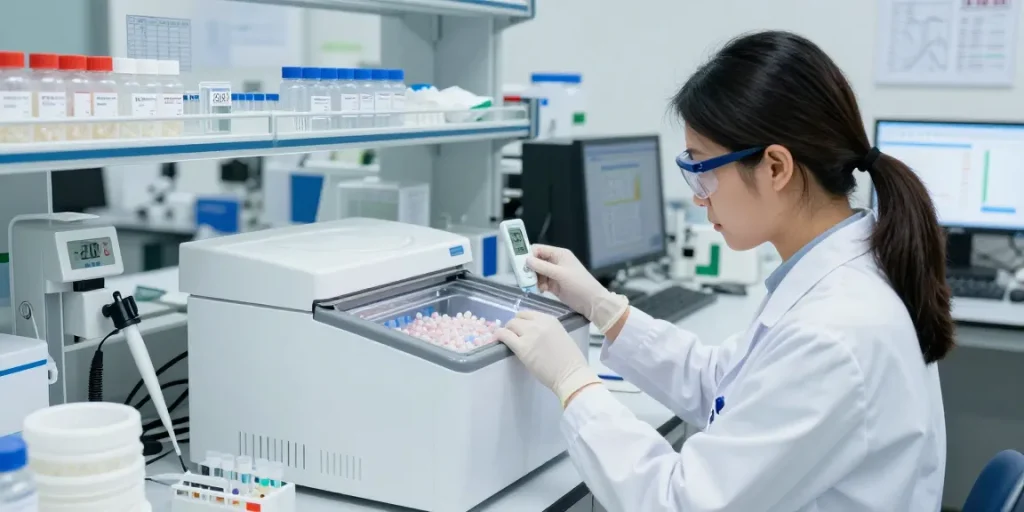

Understanding Lyophilisation Peptides
Lyophilisation peptides, commonly referred to as lyophilized peptides, play a pivotal role in various fields, notably in pharmaceutical and biotechnological applications. These peptides are highly valuable for research and therapeutic use, owing to their stability and efficacy compared to their reconstituted counterparts. Understanding the underlying processes and the best practices for storage is crucial for researchers who depend on these compounds for their studies. This article delves into the essential temperature protocols and protective measures necessary for optimal peptide storage, ensuring that researchers can maintain peptide integrity over time. When exploring options, lyophilisation peptides offer comprehensive insights into maintaining stability and purity.
What Are Lyophilisation Peptides?
Lyophilisation peptides are peptides that have undergone a freeze-drying process, which removes moisture while preserving their structural integrity. This method not only enhances their shelf life but also provides a more stable form, making them easier to transport and store. By dehydrating the peptides, researchers mitigate the risks associated with degradation, which can occur due to factors such as heat, light, and moisture exposure. As a result, lyophilized peptides are widely used in laboratory settings for various applications, including drug formulation and biochemical research.
The Process of Lyophilisation Explained
The lyophilisation process involves three main phases: freezing, primary drying, and secondary drying. Initially, the peptide solution is cooled to below its freezing point, transforming it into a solid state. In the primary drying phase, the pressure is lowered, allowing moisture to sublimate directly from the frozen solid to vapor, bypassing the liquid phase. Finally, during the secondary drying phase, residual moisture is removed, resulting in a dry peptide powder. This intricate process not only preserves the biological activity of the peptides but also ensures that they remain stable for long periods when stored correctly.
Importance of Storage Protocols for Peptides
Adhering to proper storage protocols is paramount when dealing with lyophilisation peptides. Improper storage can lead to significant degradation, adversely affecting the therapeutic potential and research reliability of these compounds. The stability of peptides can be compromised through exposure to temperature fluctuations, moisture, light, and air. Thus, implementing a clear storage strategy is essential for researchers to maintain peptide integrity throughout their shelf life.
Essential Storage Temperature Protocols
The appropriate storage temperature for lyophilized peptides is a crucial factor that directly influences their stability and efficacy. Below are some essential temperature protocols that researchers should follow to maximize the shelf life of their peptides.
Storing Lyophilisation Peptides at -20 °C
The standard long-term storage temperature for lyophilized peptides is typically -20 °C. At this temperature, the low thermal environment slows down degradation reactions, ensuring that the peptides remain stable for extended periods. According to research from Thermo Fisher, custom lyophilized peptides should be stored at -20 °C immediately upon receipt, which can provide stability for several years, depending on the specific peptide sequence and handling conditions.
When to Use -80 °C for Sensitive Sequences
In cases where peptides possess sensitive sequences, such as those containing methionine, cysteine, or tryptophan, it is advisable to store them at -80 °C. This ultra-low temperature offers enhanced protection against degradation and oxidation, especially for rare or high-value peptides that require long-term preservation. Despite the lower temperature, it is still essential to ensure that vials remain sealed, dry, and protected from moisture during storage.
Understanding Temperature Effects on Peptide Stability
Temperature plays a critical role in the stability of lyophilized peptides. As temperature increases, so does the rate of degradation reactions, leading to peptide denaturation or loss of biological activity. Maintaining peptides at consistently low temperatures is essential to minimize these risks. Moreover, the structure of peptides can be fragile, and fluctuations in temperature can exacerbate stability issues, making it vital to adhere to established protocols.
Protecting Peptides from Environmental Threats
Lyophilized peptides face numerous environmental threats that can jeopardize their stability and integrity. Here are some key considerations for protecting peptides from common degradative factors.
Moisture: The Silent Degrader of Peptides
Moisture is one of the most significant threats to lyophilized peptide storage. Although they are freeze-dried, peptides can absorb water from the environment once exposed. This moisture can accelerate hydrolysis, leading to rapid degradation. To mitigate this risk, always allow frozen vials to reach room temperature before opening. This practice prevents condensation from forming inside the vial, which could introduce moisture and compromise the peptide powder.
Importance of Light Protection in Peptide Storage
Exposure to light, particularly ultraviolet (UV) light, can significantly contribute to the degradation of light-sensitive peptides. To protect peptide vials from light exposure, it is advisable to store them in amber glass containers, opaque bags, or within dark freezer boxes. Additionally, direct sunlight and strong laboratory lighting should be avoided to ensure that the structural integrity of the peptides is preserved.
Keeping Vials Sealed: Best Practices
To maintain the stability and viability of lyophilized peptides, vials should remain sealed until they are actively needed. Once opened, reseal the vial immediately and store it under proper conditions. If repeated access to the same vial is necessary, it is best practice to divide the peptide into smaller aliquots. This approach reduces exposure to air, moisture, and potential contamination while improving the overall handling of the peptides.
Handling Reconstituted Peptides Safely
Reconstituted peptides, which have been mixed with solvents for use, require specific handling and storage conditions to ensure their efficacy. Below are guidelines for managing these peptides safely.
Optimal Refrigeration Conditions for Reconstituted Peptides
Once lyophilized peptides are reconstituted with bacteriostatic water or another suitable solvent, they become less stable than their freeze-dried counterparts. Typically, reconstituted peptide solutions should be stored at temperatures between +2 to +8 °C in a refrigerator. The typical shelf life of reconstituted peptides is approximately 14–28 days, depending on the peptide sequence, solvent used, and sterility conditions during handling.
Managing Freeze-Thaw Cycles Effectively
Repeated freeze-thaw cycles can significantly compromise the integrity of reconstituted peptides. Each freeze-thaw cycle exposes the peptide to temperature stress, increasing the risk of degradation. To mitigate this issue, aliquot reconstituted peptides into single-use volumes before freezing them at -20 °C. This method allows researchers to access smaller portions without the risk of degrading the entire vial.
Using Bacteriostatic vs. Sterile Water: Key Differences
When reconstituting peptides, the choice between bacteriostatic water and sterile water is crucial. Bacteriostatic water contains 0.9% benzyl alcohol, which helps inhibit microbial growth after the vial has been punctured, making it suitable for multi-use. Conversely, sterile water lacks preservatives and is better suited for single-use protocols, necessitating stricter contamination control during handling. Understanding these differences is vital for maintaining the quality and safety of reconstituted peptides.
Final Guidelines and Best Practices
Implementing effective storage practices for lyophilization peptides is essential for ensuring their stability and reliability in research applications. Here are the final guidelines for optimal peptide storage.
Comprehensive Storage Checklist for Peptides
- Store lyophilized peptides at -20 °C for long-term stability.
- Use -80 °C storage for sensitive peptide sequences.
- Protect peptides from moisture by allowing vials to reach room temperature before opening.
- Re-seal vials immediately after use and store them properly.
- Store peptides in dark containers to prevent light exposure.
- Reconstituted peptides should be refrigerated at +2 to +8 °C, with a limited shelf life.
- Avoid repeated freeze-thaw cycles by preparing aliquots.
Monitoring and Assessing Peptide Stability
Regular monitoring and assessment of peptide stability are essential for ensuring that researchers use only those peptides that meet quality standards. Seek to establish stability studies that include assessments of peptide integrity over time. Employ techniques such as mass spectrometry, HPLC, or spectrophotometry to gauge peptide purity and concentration, serving as indicators of potential degradation.
Future Trends in Peptide Storage Technologies
As the demand for biopharmaceuticals continues to rise, advancements in peptide storage technologies are on the horizon. Innovations such as the use of smart packaging and temperature monitoring systems are being explored to provide real-time data on peptide storage conditions. These technologies can help researchers maintain optimal storage conditions and enhance the overall reliability of peptide stability studies.
What Are the Most Common Storage Mistakes?
Several common storage mistakes can compromise peptide stability. These include exposing peptides to uncontrolled temperatures, failing to protect them from moisture and light, and inadequate sealing of vials. Researchers must be aware of these pitfalls and implement strict protocols to avoid them, thereby ensuring the longevity and effectiveness of their peptides.
How Can You Ensure Peptide Quality Over Time?
Ensuring peptide quality over time requires an integrated approach that encompasses careful storage practices, regular monitoring, and adherence to established protocols. Maintaining a clean, controlled environment, employing appropriate storage conditions, and utilizing the right solvents for reconstitution are all crucial in preserving peptide integrity throughout its intended shelf life.