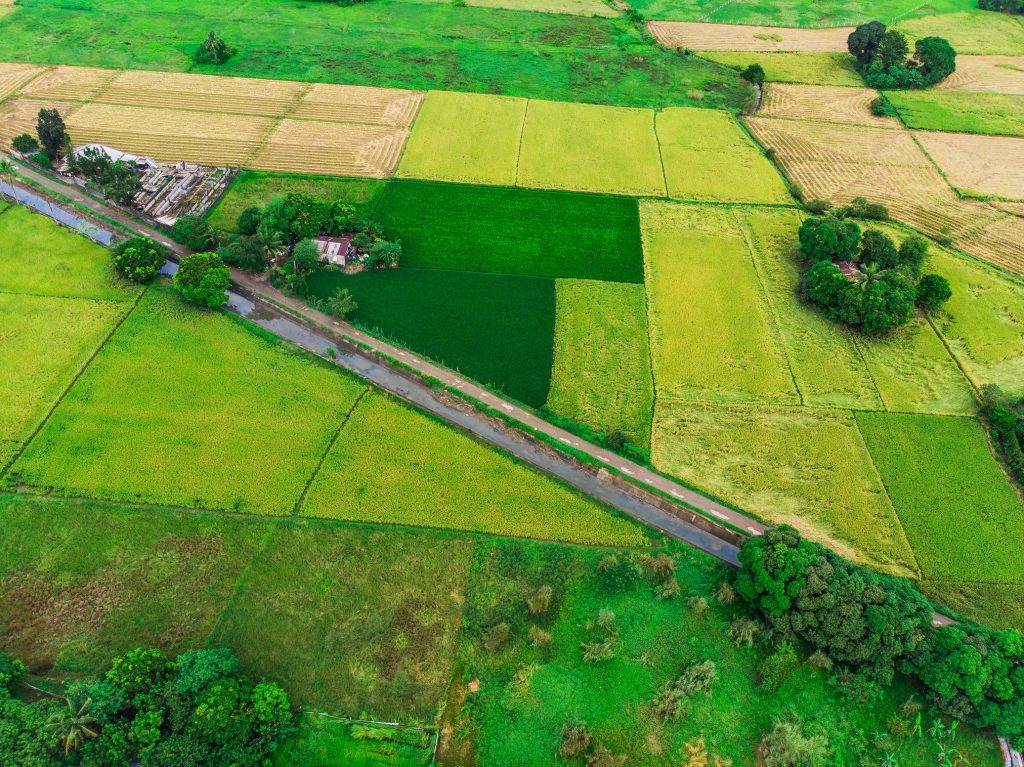

Birds can present a significant challenge for farmers and agricultural businesses. While birds play an important role in the environment, large flocks feeding on crops can cause substantial economic losses. From newly planted seeds and ripening fruit to grain crops and vineyards, birds are capable of damaging large areas in a relatively short period of time.
Protecting agricultural fields from bird damage requires a strategic approach. Because farms often cover extensive areas, traditional bird control methods that work on smaller properties may not be practical. The most effective solutions are those that provide broad coverage, adapt to changing conditions, and encourage birds to avoid the area without causing harm.
Why Birds Are a Problem in Agricultural Fields
Agricultural land naturally attracts birds because it provides a reliable source of food and shelter. Species such as crows, starlings, pigeons, gulls, blackbirds, and rooks can quickly identify productive fields and return repeatedly once they discover an easy feeding opportunity.
Damage can occur at various stages of crop growth. Birds may consume newly planted seeds, feed on young shoots, or target mature fruits and grains shortly before harvest. In some cases, repeated bird activity can reduce crop quality and market value in addition to lowering yields.
Visual Bird Deterrents
Visual deterrents are among the most widely used bird control solutions in agriculture. These systems work by creating the appearance of danger, encouraging birds to seek food elsewhere.
Bird scarer kites are particularly effective in large open fields. Designed to resemble birds of prey, they take advantage of natural predator avoidance behaviour. As the kite moves in the wind, it creates the impression of an active predator patrolling the area. Because agricultural fields typically provide excellent visibility and airflow, bird scarer kites can offer protection across substantial areas. Many farmers find them especially useful for protecting crops such as grapes, berries, vegetables, and grain fields.
Bird Busters offers a variety of visual bird deterrents suitable for agricultural applications, allowing farmers to choose solutions based on the size of the field and the bird species involved.
Audio Bird Deterrents
Audio deterrent systems can also play an important role in agricultural bird control. These devices use sounds to discourage birds from settling in a particular area. Depending on the system, this may include distress calls, predator sounds, or other bird-repelling audio signals.
Modern electronic bird scarers are often programmable and can vary their output to reduce the likelihood of birds becoming accustomed to the sounds. This makes them particularly useful in large agricultural settings where continuous protection is required. Audio systems are often most effective when combined with visual deterrents, creating multiple layers of perceived threat.
Habitat Management and Crop Protection
In addition to deterrent systems, farmers can reduce bird pressure by managing the surrounding environment. Removing unnecessary food sources near storage areas and maintaining clean farm operations can help reduce the attraction of birds to the property.
Some growers also use protective netting for high-value crops such as berries and grapes. While netting may not be practical for very large fields, it can provide excellent protection for smaller areas where crop value justifies the investment.
Monitoring bird activity throughout the growing season allows farmers to identify problem areas and adjust their bird control strategy as needed.
Why Combining Solutions Works Best
One of the most important principles of successful agricultural bird control is variety. Birds are intelligent and can sometimes become familiar with a single deterrent if it remains unchanged for long periods. Using a combination of visual deterrents, audio systems, habitat management, and crop protection measures helps create an unpredictable environment that birds are less likely to tolerate. Rotating deterrents or periodically changing their position can further improve effectiveness. This integrated approach is often the most reliable way to protect crops while maintaining a humane and environmentally responsible bird management programme.
Conclusion
Large agricultural fields require bird control solutions that provide wide coverage and consistent performance. Visual deterrents such as bird scarer kites, audio bird repellers, habitat management practices, and targeted crop protection measures can all play an important role in reducing bird-related losses.