
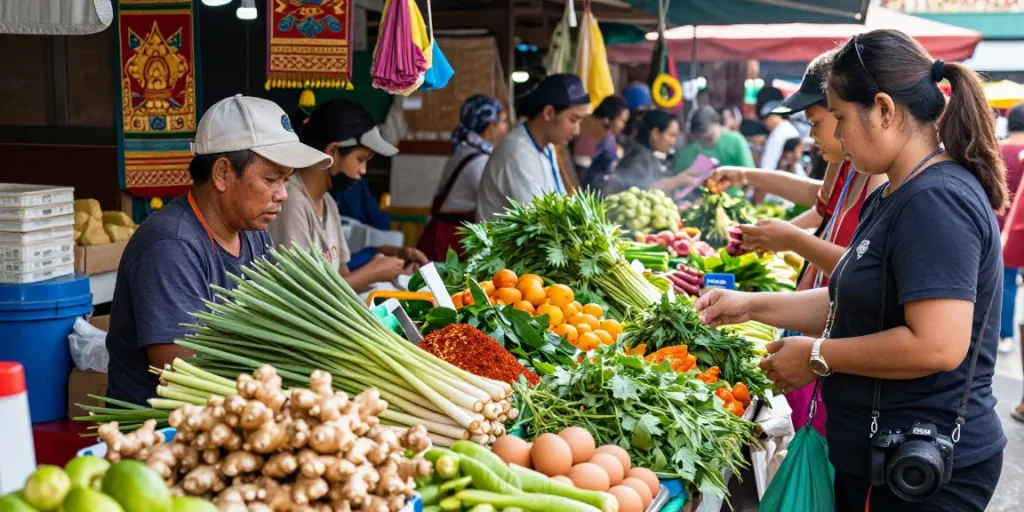

The Power of Fresh Ingredients in Thai Cooking
Thai cuisine is celebrated worldwide for its vibrant flavors and aromatic dishes. At the heart of this culinary tradition are fresh ingredients that not only enhance taste but also offer a wealth of nutritional benefits. Understanding the role of fresh herbs, spices, and staple components helps in appreciating the complexities of Thai cooking. For those interested in exploring more about nutritional ingredients, สล็อตเว็บตรง provides comprehensive insights into various food components and their health benefits.
Why Fresh Herbs Matter
Fresh herbs like basil, cilantro, and mint are pivotal in Thai dishes, imparting unique flavors and health benefits. They are not just for garnishing; they are integral to the dish’s identity. For instance, basil adds a sweet, peppery flavor that complements spicy curries, while cilantro provides a refreshing contrast to rich sauces. Moreover, these herbs are packed with vitamins, antioxidants, and essential oils that help improve digestion, boost immunity, and enhance overall well-being.
Understanding Key Flavors: Ginger and Lemongrass
Among the most revered ingredients in Thai cuisine, ginger and lemongrass are indispensable for creating that signature flavor profile. Ginger adds warmth and a hint of spice, making it ideal for both savory and sweet dishes. Its anti-inflammatory properties also make it a popular choice for enhancing health. Lemongrass, with its citrusy aroma, brings freshness to soups and stir-fries while aiding digestion and promoting respiratory health. Together, they exemplify the balance of flavors that Thai cooking strives for.
Nutrition Benefits of Common Ingredients
Each ingredient in Thai cuisine contributes to nutritional health. For example, rice, a staple carbohydrate, provides the energy necessary for daily activities. Proteins, often sourced from chicken, pork, or tofu, are essential for muscle building and recovery. Healthy fats from cooking oils and fish are critical for a balanced diet, supporting brain health and providing long-lasting energy. Understanding the nutritional landscape of these ingredients is vital for anyone looking to embrace a healthier lifestyle through Thai food.
Exploring Nutritional Components
Delving deeper into the nutritional components of Thai cuisine reveals a mosaic of health benefits, from proteins to carbohydrates and fats. Each plays a fundamental role in maintaining bodily functions and enhancing overall health. As nutrients vary in properties and benefits, incorporating a variety of these components ensures a well-rounded diet.
Essential Proteins in Thai Cuisine
Protein is a cornerstone of any healthy diet, and in Thai cooking, it often comes from sources like chicken, fish, and legumes. Dishes such as pad thai or green curry are rich in protein, providing the building blocks necessary for muscle repair and growth. Moreover, incorporating plant-based proteins like tofu not only caters to vegetarians but also provides additional nutrients such as iron and calcium.
The Role of Carbohydrates: Rice and Beyond
Carbohydrates are frequently underestimated in their importance. In Thai cuisine, rice is a primary carbohydrate source, serving as a base for a variety of dishes. It supplies necessary energy, especially in a culture that values active living. Additionally, other carbohydrates such as sweet potatoes and various grains also find their way into Thai dishes, offering fiber and additional vitamins.
Healthy Fats: Balancing Your Diet
While fats often have a negative connotation, healthy fats are essential for a balanced diet. Thai cooking incorporates oils like coconut and peanut oil, which not only enhance flavor but also provide good fat sources that can improve heart health. Including these fats in moderation allows for better absorption of fat-soluble vitamins, ensuring that the body receives maximum benefit from the meals enjoyed.
Common Misconceptions About Thai Food
Despite its popularity, there are many misconceptions regarding Thai cuisine, particularly concerning its health implications. Addressing these myths can enhance appreciation and understanding of this beloved culinary art.
Debunking Myths on Spiciness and Health
Many believe that Thai food is purely for those who can tolerate heat, but spiciness can be balanced with fresh herbs and creamy ingredients. Furthermore, consuming spicy food has been associated with several health benefits, including improved metabolism and pain relief properties, making it an ally in a healthy diet.
Understanding the Caloric Content
Another common myth is that all Thai food is inherently unhealthy due to its perceived high caloric content. While some dishes can be calorie-dense, the presence of fresh vegetables, lean proteins, and healthy fats can offer nutritious options that are also satisfying. By choosing wisely, individuals can enjoy a hearty meal without compromising their nutritional goals.
Thai Desserts: Indulgence or Nutrition?
Thai desserts such as mango sticky rice or coconut puddings are often seen as indulgent treats. While these desserts are indeed rich, they also incorporate healthy ingredients like rice and coconut milk. Moderation is key, and incorporating these desserts into a balanced diet can bring satisfaction without excessive guilt.
Easy Recipes to Incorporate at Home
Bringing Thai flavors and health benefits into the home kitchen can be simpler than expected. Here are a few easy recipes that capture the essence of Thai cuisine while being simple to prepare.
Quick Ginger Tea for Digestion
This easy ginger tea can be a soothing remedy for digestive issues. Simply steep fresh ginger slices in boiling water for 10 minutes, add honey to taste, and enjoy. It’s not only delicious but also offers anti-nausea benefits.
Simple Lemongrass Chicken Stir-Fry
For a quick dinner, a lemongrass chicken stir-fry is both flavorful and nutritious. Marinate sliced chicken breast in fish sauce, garlic, and lemongrass, then stir-fry with colorful vegetables. Serve with rice for a complete meal.
Egg-Based Breakfasts: Nutritional Powerhouses
Eggs are a staple in Thai cooking, often featured in dishes like omelets or fried rice. A simple Thai-style omelet with herbs and vegetables makes for a quick, healthy breakfast packed with protein and essential nutrients.
Future Trends in Thai Cuisine
The trajectory of Thai cuisine is ever-evolving, responding to global trends and culinary innovations. Anticipating these changes can help food enthusiasts stay ahead of the curve.
Adoption of Sustainable Ingredients by 2026
As sustainability becomes a top priority for consumers, Thai cooking will likely see an increased use of organic and locally sourced ingredients. This not only supports local economies but also minimizes environmental impact, aligning with global goals for sustainable living.
Innovations in Thai Cooking Techniques
Modern technology and cooking methods, such as sous-vide and fermentation, are likely to emerge in traditional Thai cooking. These techniques can enhance flavors and preserve nutrients, keeping the essence of Thai food alive while adapting to contemporary tastes.
Health Trends Influencing Thai Food Choices
With a growing awareness of health and nutrition, Thai cuisine will increasingly cater to specific dietary needs. Expect to see more gluten-free, low-carb, and vegan options being integrated into traditional recipes, making Thai food accessible to a broader audience.
What is the significance of herbs in Thai cooking?
Herbs in Thai cooking are not merely flavor enhancers; they contribute significantly to the overall health profile of meals. They bring antioxidants, vitamins, and minerals that promote health and well-being.
How can I incorporate traditional Thai flavors at home?
Incorporating traditional Thai flavors involves using key ingredients such as fish sauce, lime juice, and fresh herbs. Experimenting with these components in everyday cooking can recreate authentic tastes in various dishes.
What are the health benefits of ginger?
Ginger is renowned for its anti-inflammatory properties and digestive benefits. It can help alleviate nausea, improve circulation, and even relieve pain, making it a versatile ingredient in many culinary traditions.
Are there any easy Thai recipes for beginners?
Simple dishes such as pad thai or a basic curry can be excellent starting points for beginners. These recipes usually require few ingredients and can be adjusted for spice levels, making them accessible to all cooks.
What future trends should I expect in Thai cuisine?
Future trends in Thai cuisine will likely encompass a greater focus on sustainability, healthy eating, and integrating contemporary cooking methods while respecting traditional practices.