

Understanding Common Eye Conditions
Healthy vision is essential for overall well-being and quality of life. However, many individuals suffer from various eye conditions that can impact their day-to-day activities. Common eye issues include refractive errors, cataracts, glaucoma, and age-related macular degeneration (AMD). Recognizing these conditions is the first step toward effective treatment and management. At SNU Eye Clinic, we emphasize patient education and proactive care, with a focus on advanced diagnostics and personalized treatment plans. When exploring options, https://snuseoulglobal.com provides comprehensive insights into common eye conditions and their treatments.
What are the Most Frequent Eye Problems?
Refractive errors, which include myopia (nearsightedness), hyperopia (farsightedness), astigmatism, and presbyopia, are among the most prevalent eye problems. According to the World Health Organization, nearly 2.7 billion people globally have refractive errors, often due to the eye’s inability to focus light correctly on the retina. Other significant conditions include cataracts, characterized by clouding of the lens, often leading to vision impairment, and glaucoma, a group of diseases that can damage the optic nerve and lead to irreversible vision loss.
How to Identify Symptoms Early?
Recognizing the symptoms of eye conditions early can make a significant difference in treatment outcomes. Symptoms such as blurred vision, difficulty seeing at night, halos around lights, and persistent dryness in the eyes should prompt a visit to an eye care professional. Regular check-ups are critical as many eye diseases, such as glaucoma, may not present noticeable symptoms until significant damage has occurred.
Impact of Poor Eye Health on Daily Life
Poor eye health can severely affect quality of life. It can hinder daily activities, such as reading, driving, and working, leading to frustration and decreased productivity. Moreover, undiagnosed eye conditions can increase the risk of falls and injuries, particularly in older adults. Maintaining good eye health through regular examinations and timely interventions is vital to sustaining independence and a high quality of life.
The Importance of Regular Eye Examinations
Regular eye examinations are essential for detecting potential vision problems before they escalate. Eye exams can reveal not only the need for corrective lenses but also underlying health issues, such as diabetes and hypertension, which may manifest through eye conditions. Early detection enables timely treatment, which can significantly improve outcomes and preserve vision over time.
Why Schedule Annual Eye Check-ups?
Experts recommend scheduling eye examinations at least once a year, especially for individuals over the age of 40 or those with pre-existing health conditions. These annual checks can help monitor changes in vision and eye health, allowing for adjustments in treatment as needed. Regular visits also keep track of the efficacy of any ongoing treatment plans.
What to Expect During an Eye Examination?
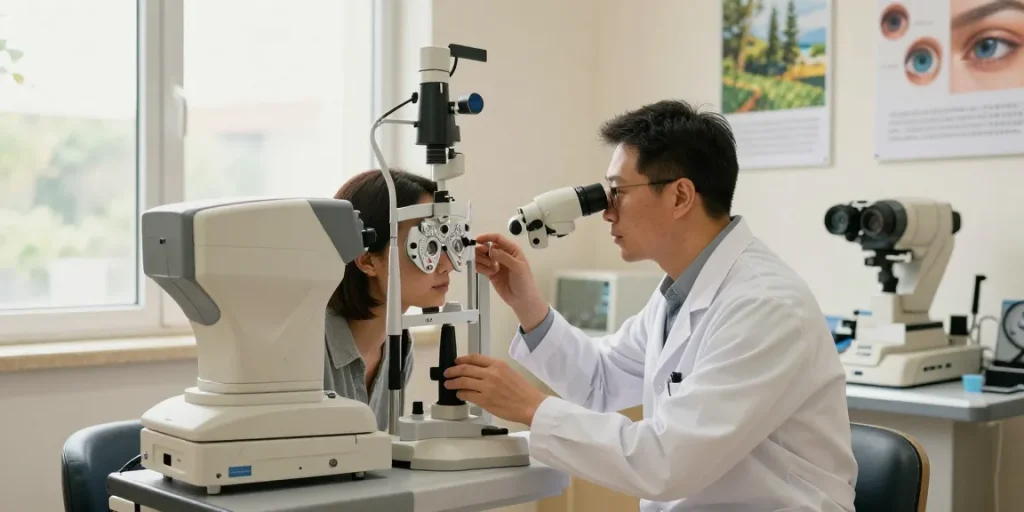
During a comprehensive eye examination, patients can expect a series of tests designed to evaluate visual acuity, eye pressure, and the health of the retina and optic nerve. These assessments might include visual field tests, fundus photography, and optical coherence tomography (OCT), among others, all of which contribute to a complete understanding of one’s eye health.
Benefits of Early Detection and Treatment
Early detection of eye disorders can prevent vision loss, improve treatment options, and result in better overall health management. Patients who identify issues early often experience less invasive treatments and more successful outcomes. Furthermore, timely care helps to alleviate symptoms, reducing the impact on daily life.
Advanced Treatments Available at SNU Eye Clinic
SNU Eye Clinic specializes in a range of advanced treatments tailored to individual needs. From laser vision correction to sophisticated intraocular lenses, our clinic is equipped with state-of-the-art technology and expert staff dedicated to providing exceptional care to all patients.
Overview of Vision Correction Options
For individuals seeking to correct refractive errors, options include LASIK, PRK, and implantable contact lenses (ICL). LASIK is a well-known procedure that reshapes the cornea to improve vision, while PRK involves similar principles but is suitable for patients with thinner corneas. ICL offers another innovative solution, particularly for those who may not be candidates for laser surgery.
ICL vs. Toric ICL: Which is Right for You?
Implantable contact lenses (ICL) are beneficial for both nearsighted and farsighted patients, while Toric ICLs specifically target astigmatism. The primary difference lies in their design; Toric ICLs have specialized properties that correct astigmatism, providing clearer vision for patients with more complex refractive errors. Consultation with an eye care professional can determine the most suitable option based on individual visual needs.
Success Stories: Real Patient Outcomes
At SNU Eye Clinic, we take pride in our numerous success stories from satisfied patients who have undergone vision correction procedures. Many patients report improved vision quality, enhanced lifestyle, and increased confidence. Testimonials reflect positive experiences and highlight the personalized approach we take in crafting treatment plans tailored to each individual.
How to Choose the Right Eye Care Professional
Selecting an eye care professional is an important decision that can significantly influence your eye health. It’s essential to choose a practitioner who is knowledgeable, experienced, and aligned with your specific needs.
What Qualifications Should You Look For?
Look for an eye care professional with specialized training in ophthalmology or optometry and relevant certifications. Additionally, consider their experience in performing specific procedures, especially if you’re seeking surgical options. A good practitioner should have a proven track record, evidenced by before-and-after photos, patient testimonials, and peer recommendations.
Questions to Ask Before Your Appointment
Preparing questions ahead of your appointment can help you gauge the suitability of a practitioner. Inquire about their experience with your specific condition or treatment, the technologies they utilize, and their approach to patient care and follow-up. Understanding their process can provide reassurance and clarity regarding your eye health journey.
Understanding Patient Reviews and Testimonials
Patient reviews are invaluable in assessing the quality of care provided by an eye care professional. Look for feedback that highlights successful outcomes, patient satisfaction, and the overall experience. A well-reviewed clinic often indicates a commitment to excellence in both treatment and patient care.
Future Trends in Eye Care for 2026
The field of eye care is continuously evolving, with new technologies and treatment methods that promise to enhance patient outcomes. As we look towards 2026, several trends are shaping the future of ophthalmology.
Emerging Technologies and Treatments
Advancements in laser technology, 3D imaging, and artificial intelligence are expected to revolutionize how eye conditions are diagnosed and treated. Customization of treatment plans using genetic information and advanced imaging techniques will likely lead to more successful outcomes and personalized patient care.
How Telemedicine is Transforming Eye Care
Telemedicine has become increasingly important in eye care, providing patients with access to consultations and follow-up visits without the need for in-person appointments. This innovation is particularly beneficial for those living in remote areas or for patients with mobility challenges.
Predictions for Patient-Centric Care Innovations
Future innovations will continue to focus on patient-centered approaches, emphasizing convenience, comfort, and personalized experiences. Tools that allow for direct communication between patients and care teams will enhance the overall care experience and foster a collaborative health management approach.
FAQs on Eye Care and Treatment
To further support our patients, we address common questions regarding eye care and treatments.
What are the Benefits of Eye Surgery?
Eye surgery can provide definitive solutions to various vision problems, often leading to improved quality of life and decreased dependency on glasses or contact lenses. Many procedures can be completed with minimal downtime, enabling patients to resume their daily activities quickly.
How can I maintain optimal eye health?
Maintaining optimal eye health involves a combination of regular eye examinations, a healthy diet rich in vitamins and antioxidants, proper UV protection, and managing chronic conditions such as diabetes. Staying active and avoiding smoking are also crucial steps in preserving vision.
When should I contact an eye specialist?
You should contact an eye specialist if you experience significant changes in your vision, persistent eye pain, redness, or any visual disturbances. Timely contact can ensure any potential issues are addressed before they lead to more serious complications.
What are the latest advancements in eye surgery?
Recent advancements in eye surgery include minimally invasive techniques, enhanced laser technologies, and the development of new types of intraocular lenses that improve refractive outcomes. Options are continuously being refined to accommodate the diverse needs of patients.
How does lifestyle impact eye health?
Lifestyle factors such as diet, exercise, smoking habits, and screen time can significantly influence eye health. A balanced diet filled with nutrients such as omega-3 fatty acids and antioxidants, alongside regular physical activity, can contribute to better eye health outcomes.