
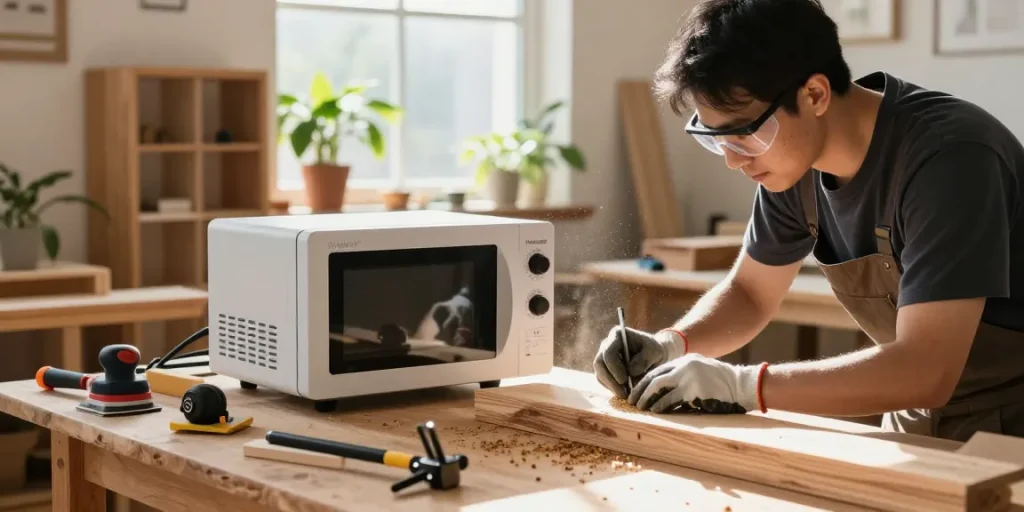

The Science Behind Shashel’s Microwave Technology
In the battle against wood-boring insects, the innovative technology utilized by Shashel stands out as a game changer. This advanced method not only targets woodworms efficiently but does so in a completely chemical-free manner. Leveraging the power of microwave energy, Shashel devices penetrate wooden structures to eradicate pests in a matter of minutes, ensuring that both the wood and its occupants remain safe during the treatment process. When exploring options, Shashel provides comprehensive insights into how this technology can benefit your pest control efforts.
How Shashel Works to Eliminate Woodworms
The mechanism behind Shashel’s effectiveness lies in the microwave technology that targets the specific moisture content of wood. By emitting microwaves, the device excites water molecules within the wood, rapidly increasing their temperature. This process raises the wood’s internal temperature to a lethal level for wood-boring beetles, larvae, and their eggs without causing any damage to the wood itself. The treatment can be completed in just a few minutes, streamlining the process and minimizing disruption.
Understanding Microwave Treatment vs. Traditional Methods
Traditional methods of pest control often rely on harsh chemical treatments that not only pose risks to human health but can also leave harmful residues in the environment. In contrast, Shashel’s microwave treatment is both effective and eco-friendly. While conventional treatments may require significant downtime for safety and effectiveness, the microwave system operates quickly, allowing for immediate use of the treated wood. This makes it an ideal solution for both residential and commercial applications.
Benefits of Chemical-Free Wood Treatment
- Safety: With no harmful chemicals involved, the treatment is safe for children, pets, and the environment.
- Efficiency: Rapid treatment times mean less disruption to your living or working space.
- Long-lasting Results: The complete eradication of wood-boring insects ensures that your wood structures are protected for the long term.
Key Benefits of Using Shashel Equipment
Fast and Effective Woodworm Elimination
Shashel devices are designed to deliver rapid results. Within minutes, infestations can be tackled decisively, often without the need for multiple treatments. This efficiency is a game changer for those who face urgent pest problems, allowing for a quick return to normalcy.
Preserving the Integrity of Wood Materials
When it comes to preserving valuable wood structures, the delicate balance of thorough treatment and material care is essential. Shashel’s technology ensures that even softwoods and hardwoods maintain their structural integrity while eliminating pests. This careful attention to preservation is crucial for antique furniture, historic buildings, and any wooden work that has intrinsic value.
Eco-Friendly Practices in Wood Treatment
As environmental concerns continue to rise, more people are seeking sustainable pest control options. The use of Shashel’s microwave technology not only avoids toxic chemicals but also reduces the carbon footprint associated with traditional chemical treatments. This aligns well with the growing trend towards eco-conscious living.
Step-by-Step Guide to Using Shashel Equipment
Preparing Your Workspace for Microwave Treatment
Before starting the treatment, ensure that the workspace is clear of any unnecessary items. Make sure that the area is well-ventilated and that you have a clear understanding of the device’s operation. It’s important to have all safety equipment at hand, such as gloves and goggles, to protect yourself during the procedure.
Operating the Shashel Device Safely
Follow the manufacturer’s guidelines when operating the Shashel device. Ensure the settings are correctly configured for the specific type of wood and the extent of the infestation. Start the treatment cycle and monitor the process closely. The system typically provides visual or auditory cues to indicate its operational status.
Post-Treatment Care for Treated Wood
Once the treatment is complete, care for the treated wood by allowing it to cool down before handling. Proper ventilation should be maintained as the wood settles. Although no chemical residues are left, it’s advisable to clean any surfaces that came in contact with the device after treatment.
Common Challenges and Misconceptions
Addressing Concerns About Microwave Safety
There are often concerns regarding the safety of using microwaves for pest treatment. It is essential to note that the microwaves used by Shashel equipment are specifically designed for this purpose and are safe for both humans and pets when used according to the guidelines. The precision of this technology ensures a controlled environment where safety is prioritized.
Debunking Myths About Chemical Treatments
Many believe that chemical treatments are the only way to effectively eliminate wood-boring pests. However, this is not only misleading but potentially harmful. The persistent use of chemicals can lead to resistance in pest populations, prompting further chemical application. Shashel’s microwave treatment provides a solid alternative that addresses the problem effectively without using toxic substances.
Understanding the Limitations of Shashel Technology
While Shashel technology is exceptionally effective, it’s important to understand that it may not be suitable for every situation. For instance, if wood has been heavily infested and structural integrity is compromised, treatments may need to be supplemented with more invasive methods. Additionally, ongoing wood maintenance and prevention strategies should be in place.
Future Trends in Wood Treatment Technologies
Innovations to Look Out for in 2026
As technology evolves, expect even more advancements in wood treatment methodologies. The integration of smart technology, such as smartphones controlling pest treatment devices, is on the horizon. These innovations will further enhance efficiency and user experience.
The Evolving Landscape of Eco-Friendly Pest Control
In 2026, the focus on sustainability will likely lead to increased regulatory standards for pest control, propelling companies like Shashel to the forefront of eco-friendly practices. Expect to see more businesses transitioning to non-toxic solutions, influenced by consumer demand for greener products.
Expert Insights on Sustainable Woodworking Practices
As experts in the field continue to advocate for sustainable practices, using solutions like Shashel will be essential in maintaining natural resources while supporting effective pest control methods. Collaboration between industries and environmentalists can lead to best practices that protect both wood structures and biodiversity.
What types of wood can Shashel effectively treat?
Shashel equipment is versatile and can effectively treat a variety of wood types including softwoods (like pine and fir) and hardwoods (like oak and mahogany). Each type may require slightly different settings and treatment times for optimal results.
Is Shashel equipment suitable for home DIYers?
Yes, Shashel devices are designed for ease of use, making them accessible for home DIY enthusiasts. With proper instructions and safety measures, homeowners can confidently tackle woodworm infestations themselves.
How long does the treatment process take?
The Shashel microwave treatment process is remarkably quick, typically taking anywhere from 10 to 30 minutes, depending on the size of the wood piece and the extent of the infestation. This rapid response makes it an efficient choice for immediate pest control.
Can Shashel equipment be used outdoors?
While primarily designed for indoor use, Shashel devices can be utilized outdoors under certain conditions. However, it’s crucial to ensure that environmental factors such as moisture and wind do not interfere with the treatment process.
What maintenance is required for Shashel devices?
To ensure longevity and effective operation, regular maintenance of Shashel devices is recommended. This includes periodic checks on the microwave components, cleaning the exterior, and ensuring all cables and connections are secure.